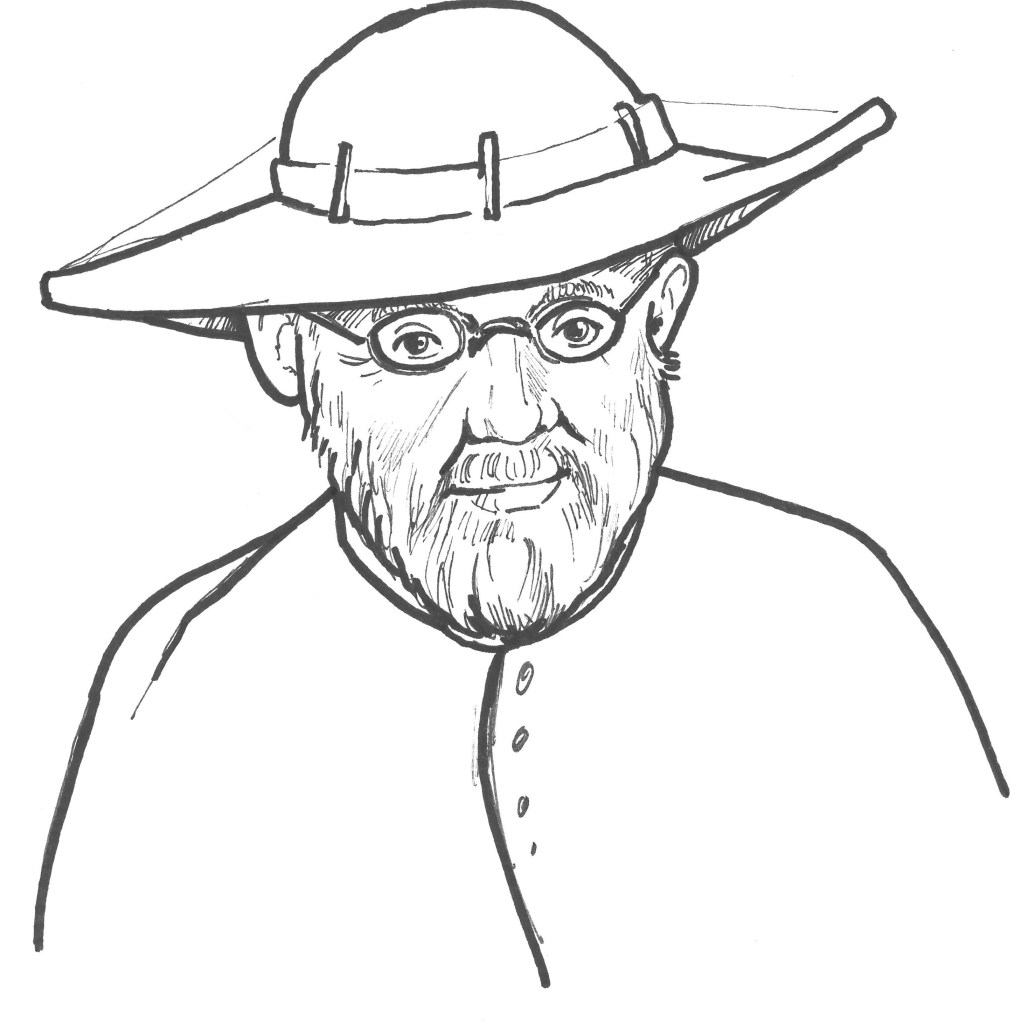
Saint Damien of Molokai (Joseph de Veuster)
Father Damien was a missionary priest sent to Hawaii in the 1800s when Hawaii was not yet an American state. At the time, an epidemic of leprosy spread through the islands. Leprosy is a contagious disease that causes sores on a person’s skin, and can be deadly. The Hawaiian king ruled that all lepers must leave their homes and live on the island of Molokai. Father Damien was chosen to serve the island people.
The health officials refused to let people go back and forth from Molokai to the other islands because they feared the spread of the disease, so Father Damien chose to stay on Molokai and minister to the sick people. Unfortunately, that meant he had no other priest from whom he could receive the sacrament of Reconciliation.
Once, a ship arriving with supplies for the island also had on board a priest friend of Father Damien. The captain of the ship would not let the friend get off the boat, so Father Damien had to row out to it. Once he got there, however, the captain would not let him come aboard! After hesitating a moment, Father Damien rowed as close as possible and shouted his confession to the other priest.
Saint Dominic Savio
Dominic Savio was different from many teenagers. When he was only 12 years old, he knew he wanted to be a priest more than anything else in the world.
Dominic had a great love for the sacraments. He went to a boarding school with other boys. He had the courage to lead many of the other boys in the school toward Jesus and away from sin. Once, Dominic saw two boys fighting at school. Dominic held up a crucifix between them. The boys realized they should not be fighting, made up with each other, and went to confession.
Every week, Dominic went to confession with his teacher Father John Bosco, who also became a saint.


Saint Maria Goretti
Maria Goretti was born in 1890 in a small village in Italy. She loved Jesus with all her heart and would walk many miles to church to learn more about God. Maria went to confession as often as she could because she wanted to live a life without sin.
There was an older boy named Alexander who lived on her family’s farm. Alexander often tried to convince Maria to sin. One day, Alexander became so angry that Maria would not sin that he hurt her very badly. Maria was very worried about Alexander because of his sin. Maria died the next day, and Alexander went to prison for hurting her.
Eight years later, Maria appeared to Alexander while he was in prison and offered him flowers. He was so touched by Maria’s visit that he asked to see a priest, and he made a good confession. He spent the rest of his life doing penance for his sins. Maria is the patron saint of Catholic youth.
Saint Ignatius of Loyola
Ignatius was given the name Inigo at birth. He was the youngest child in a family of eight sons and three daughters. He lived a very wealthy life in Spain. He grew up to be a very skilled soldier, but he was a very prideful man. During a battle, Inigo’s leg was very badly wounded. He had to lay in bed for many months to recover. During this time, he read a book about the lives of saints. He was so touched by the people who loved and served God that he decided to turn away from his pride and desire for wealth and to follow Christ.
He went to confession and promised to lead a life of penance and devotion to God. He began to study and teach others about God. He was later ordained a priest and, with six other men, formed a religious order called the Society of Jesus, which still exists today!
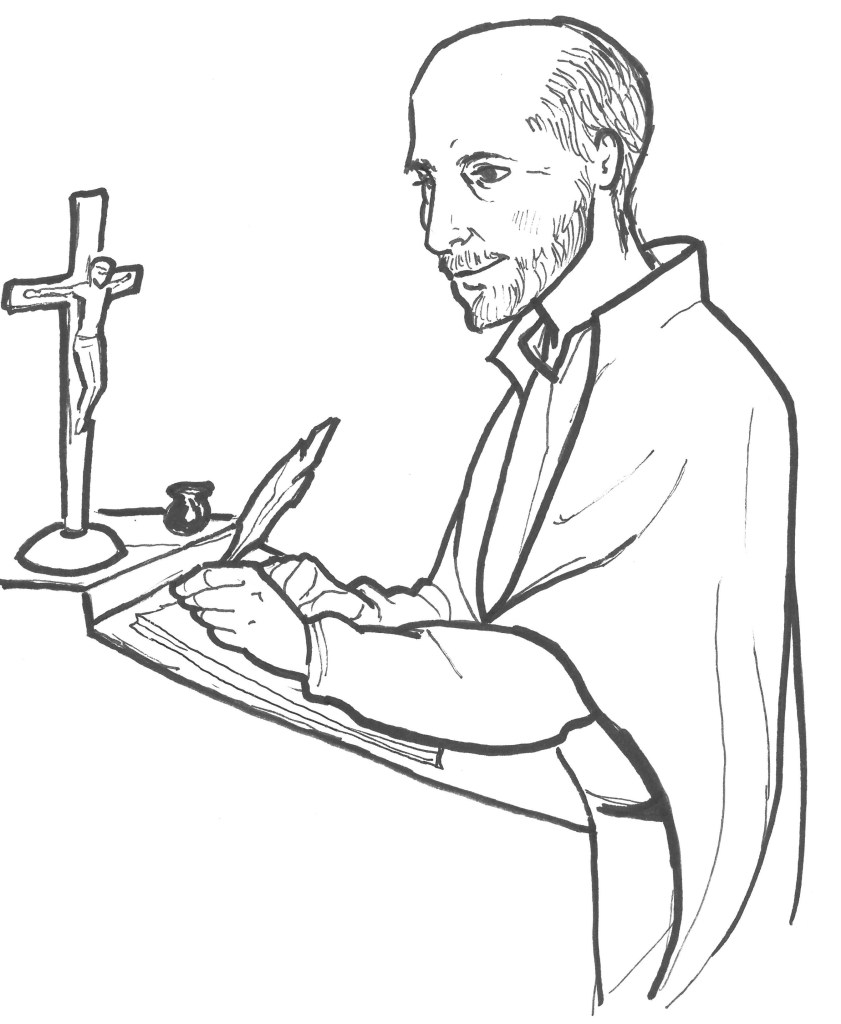

Saint Augustine
Saint Augustine was one of the most intelligent men who ever lived. Even though he was raised in a Christian home by his mother, Saint Monica, he spent much of his life doing wicked deeds. Augustine was searching for the truth, but made all sorts of wrong choices. His mother prayed daily for her son to turn his heart to Jesus and His Church.
One day, Augustine felt God was calling him to read from the Bible in Romans, Chapter 13. There, Saint Paul tells us to stop living sinful lives and to live like Jesus. Augustine came to see how evil his life had become; he felt very sad and ashamed. He confessed his sins and began a new life.
Augustine was later ordained a priest and a bishop and is a very famous Catholic writer who taught many people how to love God. Saint Augustine is one of the greatest saints who ever lived.
Saint Faustina
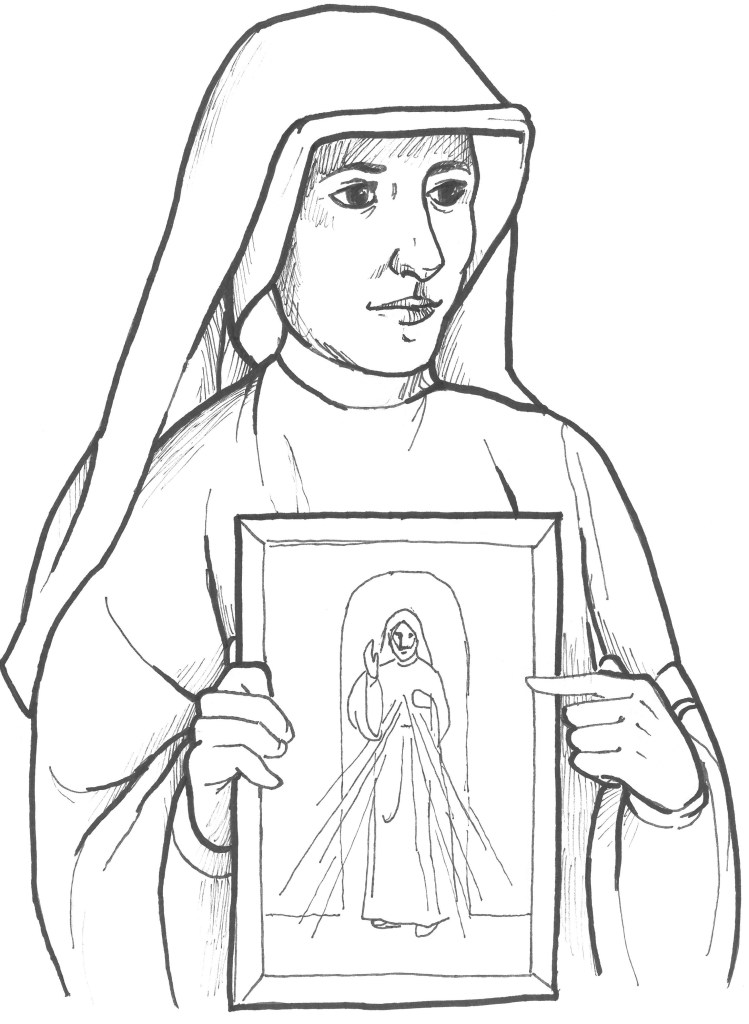
When Helen was 7 years old, she heard in her soul the call to a religious life. When she was old enough, she entered the convent of the Sisters of Our Lady of Mercy and was known as Sister Faustina. The other sisters thought of her as sensitive and kind-hearted, and they knew she had a great love for every soul. The Lord Jesus wanted her to tell people about God’s merciful love towards every human being.
On February 22, 1931, Sister Faustina had a vision of Christ. Jesus asked her to paint the image she saw. The image reminds us of when Jesus appeared to his disciples after the Resurrection (See John 20:19-29), and it reminds us of God’s mercy that we receive in the sacrament of Reconciliation. Jesus’ raised hand symbolizes a blessing and also the gesture that the priest makes as he absolves us of our sins whenever we make a good confession. The priest says, “I absolve you from your sins in the name of the Father, and of the Son, and of the Holy Spirit.” Sister Faustina was canonized (declared to be a saint) on April 30, 2000.
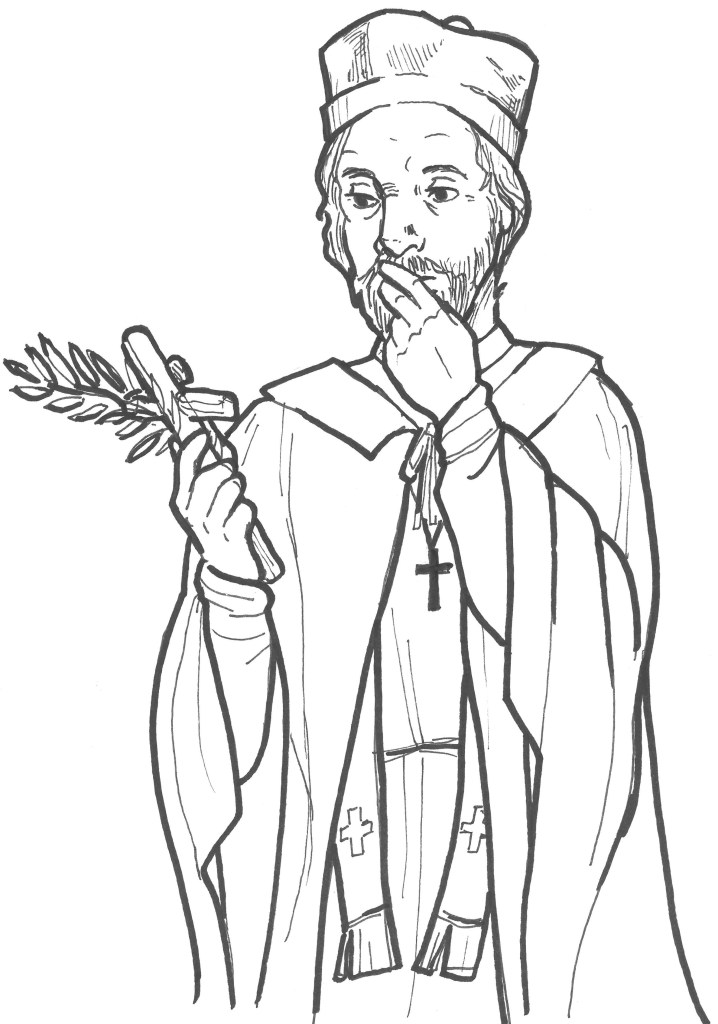
Saint John Nepomucene
Saint John Nepomucene was a parish priest in the city of Prague. Thousands of people came to hear him preach. He was even invited to meet the king and queen. Soon, the queen had Father Nepomucene hear her confessions.
One day, the king asked the priest to tell him what the queen had said in her confessions. When Father Nepomucene said, “No,” the king threw him into prison. When the king asked him again, he threatened to kill the priest if he wouldn’t tell. Again, the priest said, “No.” The king had him thrown into the river. They say a light appeared over the water in the place where he drowned. Saint John Nepomucene is known as the martyr of the confessional.
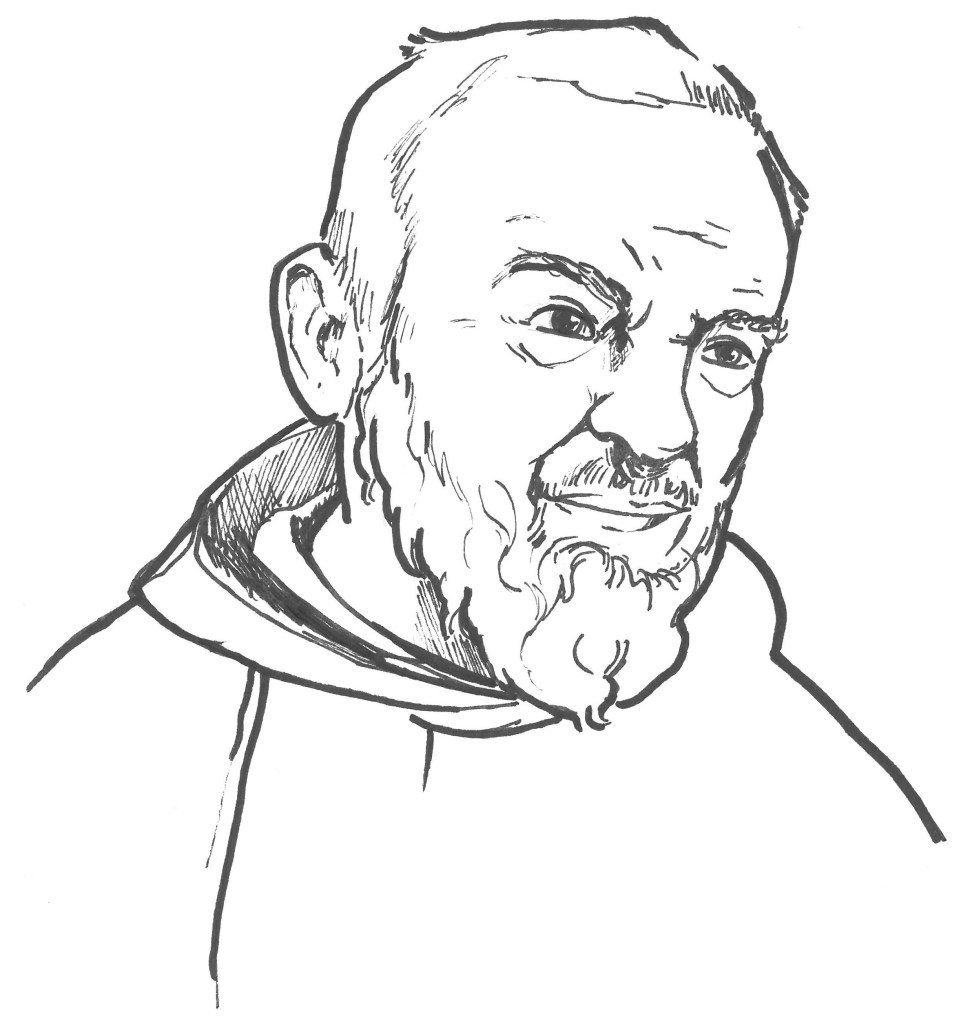
Saint Padre Pio
Born in Italy, Saint Pio was baptized with the name Francesco. He grew up in a very loving and devout Catholic family. When he was 23 years old, he became a Capuchin (CAP-uh-chin) priest and took the name of Padre Pio. “Padre” means “father,” and “Pio” means “pious.” By taking this name, he was saying he hoped to be a very pious or holy priest. Later, God gave him the stigmata, or the wounds of Christ, which brought him much suffering, but also gave him the deep joy of sharing in the sufferings of Christ.
He spent several hours every day listening to people’s confessions. God had given him a special gift. When people went to Padre Pio to confess their sins, he knew whether they were being truthful and confessing all of their sins. Thousands of people went to the sacrament with Padre Pio because of this. They wanted to make a good and complete confession, and they knew Padre Pio would help them to do that. Some people did not believe in Padre Pio’s gift, and they challenged him. Most of these people soon realized they were wrong, and they too confessed their sins.
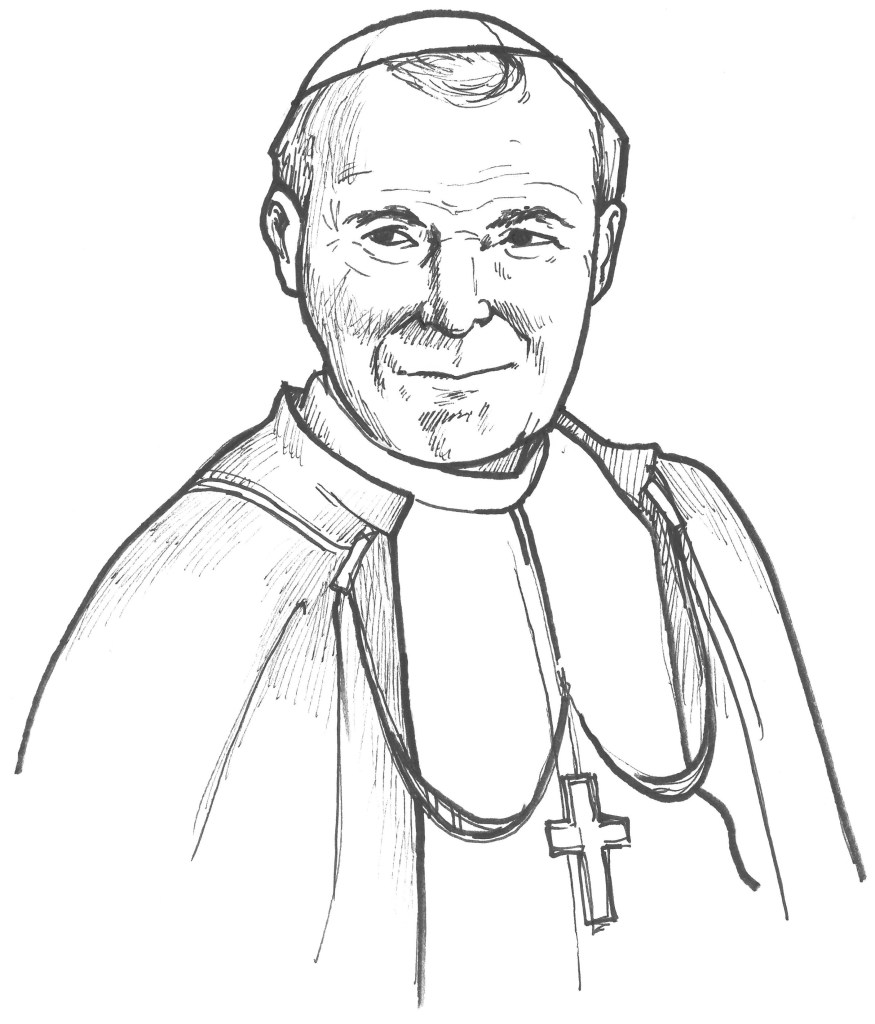
Saint John Paul II
Pope John Paul II believed that the sacrament of Reconciliation was very important. He made a promise to be a “prisoner to the confessional,” which meant he promised to always be available to celebrate the sacrament of Reconciliation with the people of the Church.
Many people went to Pope John Paul II to confess their sins because they felt he could help them to lead a holy life. Sometimes, people’s confessions would last over an hour!
Once, when the Holy Father was supposed to give a speech to a group of priests, he arrived late because he had been hearing confessions!
John Paul II went to confession often himself. He taught us by his example that the sacrament of Reconciliation is a very important way to stay close to Jesus for all Christians. He was canonized (declared to be a saint) on April 27, 2014
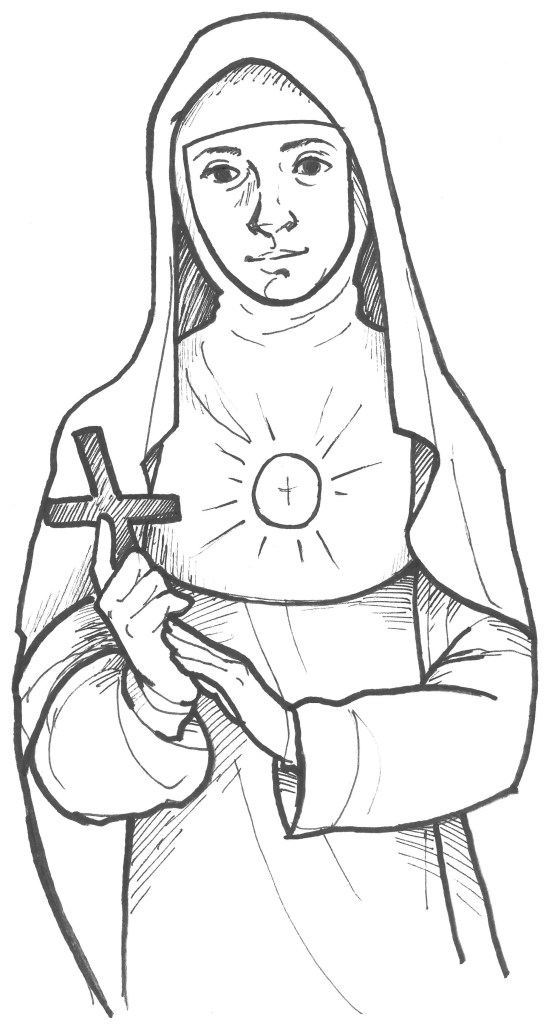
Blessed Christina
Blessed Christina lived in Aquila, Italy in the 1500s. Her baptismal name was Matthia. When she was quite young, Matthia felt the call to a life of prayer and penance, and she chose to become a nun. Matthia entered the convent of Saint Augustine and was called Sister Christina.
Sister Christina’s life as a nun was hidden and silent. She kept herself aware of the crosses and sufferings people experienced. She prayed and offered penances to the Lord for their intentions. Jesus used Sister Christina to work miracles for the good of others.
When she died, a large crowd of people came to honor and thank Sister Christina for the gift she had been for their city.
Blessed Christina taught us that when we offer our penances for the good of others, Jesus will work through us in great ways!
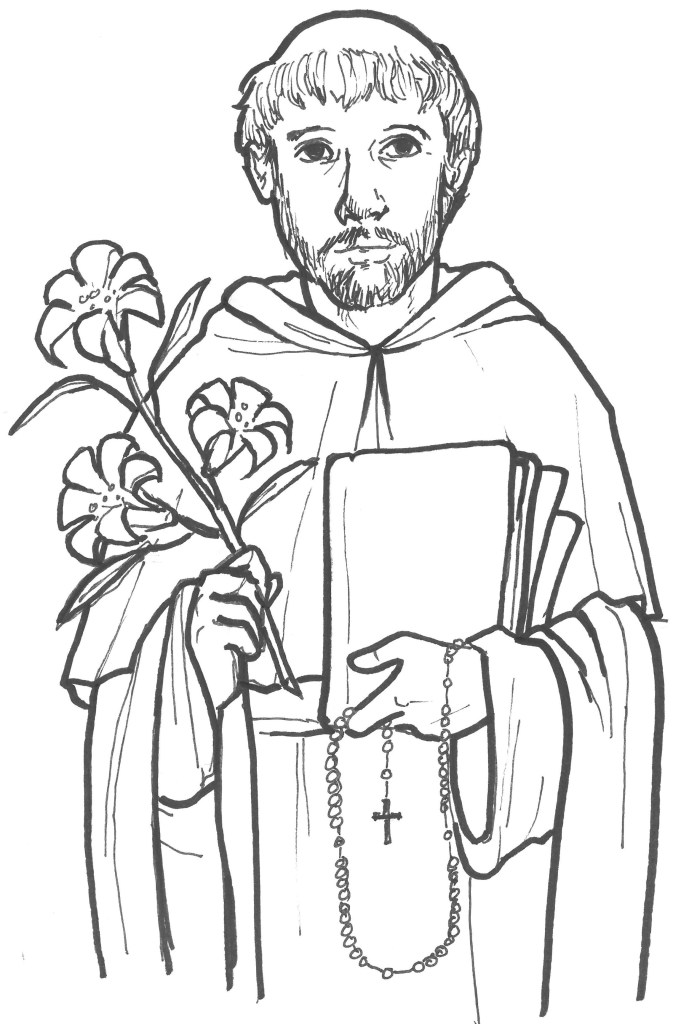
Saint Dominic
Once, Saint Dominic found the devil lurking around the monastery. He asked the devil, “Why are you hanging around here?” The devil answered that it was in his favor to do so. Outside their bedrooms, he would tempt the monks to not get up for their prayers. In the dining hall, he would tempt them to be greedy and overeat. He especially liked the recreation room where he could get them to waste their time on foolish hobbies or gossip. But when Saint Dominic asked about the chapter house (which is where the monks would examine their conscience and make Confession), the devil screamed and said, “I hate that spot, for I lose there whatever I have gained elsewhere. It is there they are told of their faults, correct one another in charity, do penance, and are absolved of their sins.”
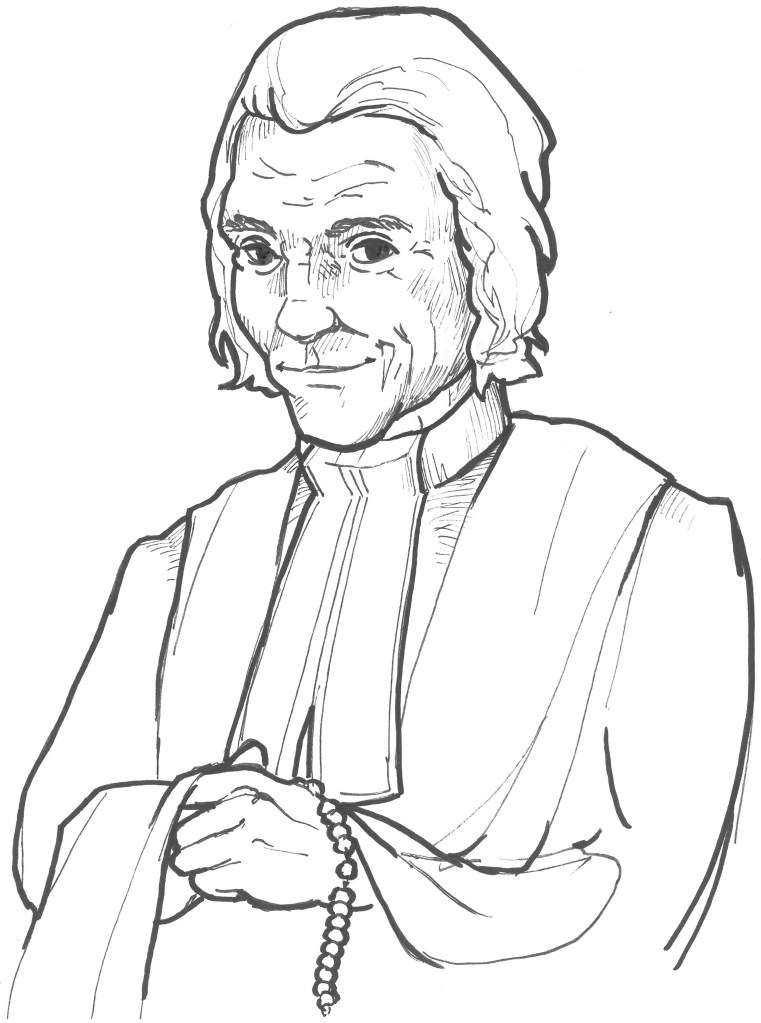
Saint John Vianney
Saint John Mary Vianney was born in 1786 in France. He was not a good student, but he studied hard to enter the seminary. He became a priest at the age of 29. He lived a life of poverty and prayed for hours in adoration. Thousands of people came to confess their sins to him. He often spent 16 hours a day hearing confessions! He brought so many people back to living holy lives that the devil would try to tempt Father Vianney to keep him away from his work of saving souls. His love for God and God’s people makes him a perfect patron for parish priests.
Saint Francis de Sales
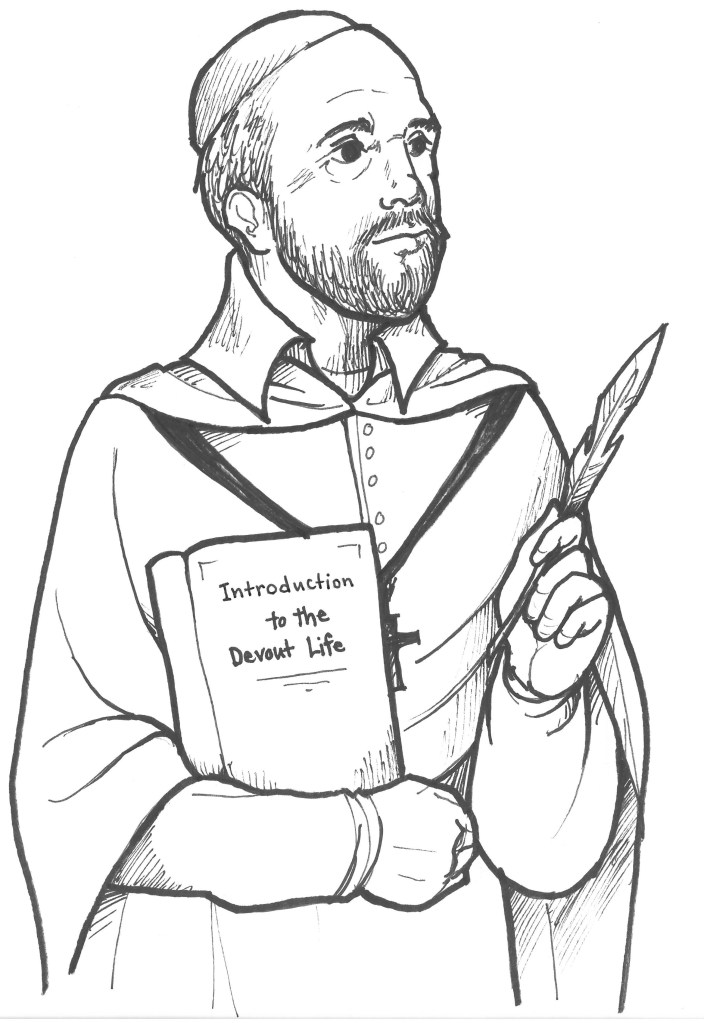
Francis was born at the de Sales castle in France in 1567, the eldest of six brothers. His family was very wealthy, and his father dreamed that Francis would become an influential man in the world. Francis became a priest and dedicated his life to preaching and hearing confessions.
Francis went with his cousin to a dangerous place in France to preach to Catholics who had left their faith. Francis’ life was often in danger, but slowly, he began to win souls back to the Church. He later became the bishop of Geneva, Switzerland.
Francis wrote wonderful books about the way to become holy. These books are still popular today, over 400 years later! He taught us to have great sorrow for our sins and to make a good confession every week so that we may receive the graces of the sacrament. We can learn a lot from Saint Francis’ commitment to Christ and the Church.
 Family Formation